
Pregnancy is a time of questions—and cravings. With salty, savory snacks such as beef jerky tempting taste buds everywhere, moms-to-be wonder: can you eat beef jerky while pregnant without putting your health or your baby at risk? This in-depth guide reveals real risks, myths, nutritional facts, and safety strategies to help you enjoy your favorite foods with confidence.
What is Beef Jerky?
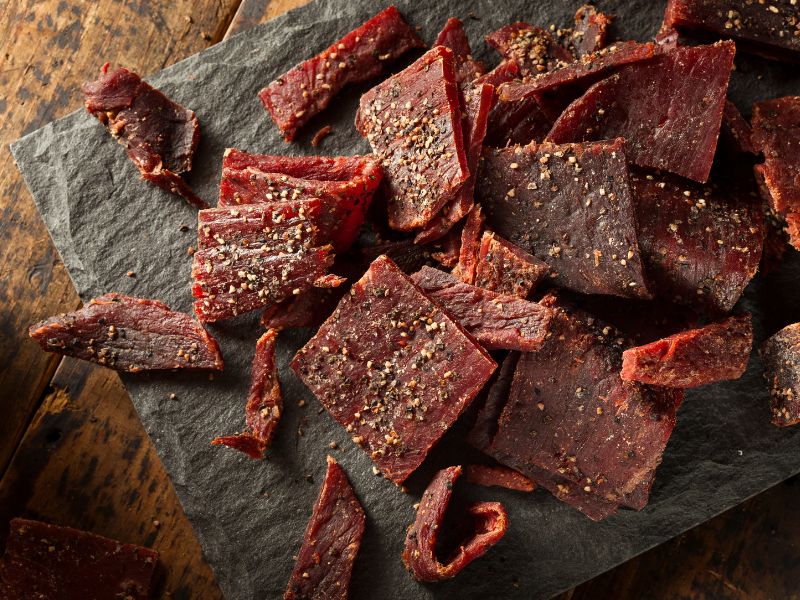
Beef jerky is a dried, cured meat snack seasoned with spices and salt. It is popular for being lightweight, shelf-stable, and protein-dense.
Key Features of Beef Jerky:
- High in protein – around 9–10 grams per ounce
- Long shelf life – due to dehydration and curing
- Flavored varieties – spicy, sweet, smoky, or teriyaki
- Convenient snack – portable and filling
However, despite its popularity, beef jerky is not always considered safe during pregnancy because of foodborne illness risks and excessive sodium content.
The Big Question: Is Beef Jerky Safe During Pregnancy?
Beef jerky is celebrated for its bold flavor, portability, and high protein content. But the safety debate comes down to two primary concerns:
- Risk of Bacterial Contamination: Beef jerky is a dried meat product, often not cooked at high enough temperatures to guarantee the elimination of bacteria like Listeria and Salmonella. These bugs can survive in some homemade or improperly processed jerky, posing a serious threat during pregnancy.
- High Sodium and Chemical Additives: Commercial jerky is often loaded with salt, nitrates, and preservatives, which can trigger water retention, high blood pressure, and headaches—issues already common during pregnancy.
Summary: While some brands use safe, regulated methods, homemade or artisanal jerky carries higher risks, especially for vulnerable groups.
Why It’s Considered Unsafe:
- Listeria monocytogenes risk – This bacteria survives in dried meats and can cause listeriosis, which is especially dangerous in pregnancy.
- Toxoplasmosis concern – Parasites from undercooked meat can remain in jerky.
- High sodium – Excess sodium raises blood pressure and risks for preeclampsia.
- Additives & nitrates – Preservatives may have adverse effects on fetal development.
Pregnant women are generally advised to avoid raw, undercooked, or cured meats, making beef jerky a high-risk snack.
Looking for broader information on women’s health, fertility, and pregnancy? Discover expert advice in our women’s health category.
Cravings for Beef Jerky During Pregnancy
Cravings are a normal part of pregnancy due to hormonal changes and increased nutrient needs.
Possible Reasons for Jerky Cravings:
- Protein deficiency
- Iron needs
- Salt cravings from hormonal fluctuations
- Texture preference for chewy snacks
Instead of giving in to unsafe jerky, fulfill cravings with safer alternatives that satisfy similar taste profiles.
What Do Experts Advise About Beef Jerky and Pregnancy?
Obstetricians and nutritionists generally recommend:
- Avoiding Unpasteurized, Homemade, or “Low-Temperature” Jerky: These products may not kill harmful bacteria.
- Choosing USDA-Approved Commercial Jerky: Well-known, regulated brands are safer, but always check packaging for warnings and expiration dates.
- Moderation Is Key: Excessive sodium and additives aren’t ideal, even in commercial jerky.
Main Risks of Eating Beef Jerky While Pregnant
1. Listeriosis
Listeriosis is a rare but serious infection caused by Listeria monocytogenes. Pregnant women are up to 10 times more likely to develop it. This infection can:
- Cause miscarriage or stillbirth
- Lead to preterm labor
- Result in newborn infections
2. Toxoplasmosis
Jerky made from undercooked meat may transmit the parasite Toxoplasma gondii, causing congenital issues like vision problems and developmental delays.
3. Excessive Sodium Intake
High sodium levels increase water retention, swelling, and gestational hypertension risks.
4. Chemical Preservatives
Some jerky contains nitrates and nitrites, linked to developmental concerns when consumed in excess.
Beef Jerky—Pregnancy Safety and Nutrition
| Attribute | Homemade Jerky | Commercial Jerky | Pregnancy Issue |
|---|---|---|---|
| Cooking Temperature | Varies | Regulated | Bacterial risk |
| Sodium (mg/1 oz) | 350–600+ | 400–800+ | Blood pressure |
| Protein (g/1 oz) | 8–10 | 9–12 | Healthy in moderation |
| Preservatives | Often absent | Common | Potential health concern |
| Packaging | Not sealed | Vacuum/sealed | Safer storage |
For more dietary tips and food safety info, explore our diet & nutrition archive.
How Beef Jerky Compares to Other Pregnancy Protein Snacks
| Snack Type | Protein (g/serving) | Sodium (mg) | Added Preservatives | Safe for Pregnancy? |
|---|---|---|---|---|
| Beef Jerky | 9–12 | 400–800 | Often yes | Caution |
| Roasted Chickpeas | 6 | 280 | No | Yes |
| Greek Yogurt | 10–18 | 55–100 | No | Yes |
| Hard Boiled Eggs | 6 | 70 | No | Yes |
| Edamame | 11 | 24 | No | Yes |
Eggs, yogurt, or legumes are easier on digestion and blood pressure, but lack the convenience of jerky.
Foodborne Illness During Pregnancy—Why It’s a Big Deal
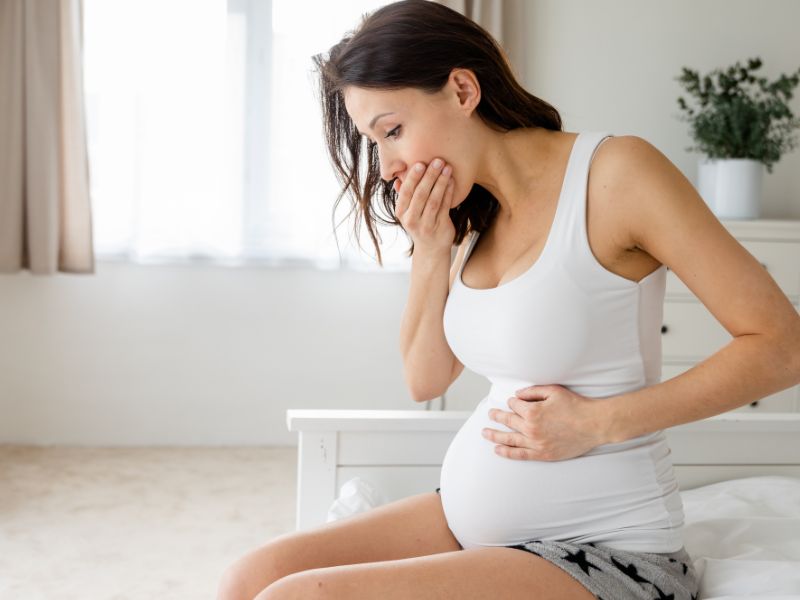
Pregnancy weakens immune defenses, making it easier for bacteria to cross the placenta, risking fetal health. Listeria, in particular, can lead to miscarriage, premature birth, or stillbirth—even if the mother’s symptoms are mild. Although outbreaks are rare, jerky has been implicated in past cases.
Key advice:
- Read jerky labels for “fully cooked,” “pasteurized,” or “heat-treated.”
- Avoid brands that state “not recommended for pregnant women.”
- Do not consume past-expiry jerky.
- Store opened packs in the fridge, eat within a couple of days.
Nutritional Benefits of Beef Jerky—and How to Optimize
Jerky offers:
- High protein for muscle and tissue repair
- Iron and zinc to support energy and immunity
- Low-to-moderate fat for calorie control
Drawbacks:
These positives are often offset by high sodium and additives.
If you’re craving bold flavors in pregnancy, see our spicy food guide: can you eat spicy food while pregnant.
Useful Pregnancy Data and Trends
- 41% of pregnant women report craving salty, savory snacks.
- Jerky consumption among expectant mothers rose by 10% in the last 5 years, but online pregnant forums report increased confusion about its safety.
- 18% of OB/GYNs surveyed list jerky among “foods to carefully limit or avoid,” especially if history of hypertension or pre-eclampsia.
How to Make Beef Jerky Safer During Pregnancy
- Always Choose Trusted Brands: USDA-inspected and clearly labeled.
- Heat At Home If Unsure: A brief bake at 165°F (73°C) for a few minutes can reduce bacteria.
- Limit Portions: One serving (about 1 oz) per week is plenty.
- Hydrate: Drink extra water to offset sodium.
- Balance With Fresh Foods: Fruits and raw veggies aid digestion, lowering salt burden.
Safer Alternatives to Beef Jerky During Pregnancy
Craving something savory and protein-rich is natural. Fortunately, many alternatives provide similar satisfaction without the health risks.
Safe Substitutes:
- Cooked lean meats – chicken breast, turkey, lean beef strips
- Roasted chickpeas or nuts – crunchy, salty, and protein-rich
- String cheese or Greek yogurt – healthy and filling
- Whole-grain crackers with hummus – fiber and plant protein
- Vegetable chips – baked options instead of fried
Signs of Trouble: When to Call Your Doctor
- Fever, chills, vomiting after consuming jerky or any questionable food.
- Unusual stomach pain, persistent diarrhea, or confusion.
- Symptoms of dehydration or elevated blood pressure.
- If in doubt, call your provider and bring packaging for reference.
Pregnancy Nutrition Tips—Smart Swaps for Satisfying Snacks
- Try roasted chickpeas, seeds, or nuts for a crunchy treat.
- Make your own baked chicken or turkey strips for lower sodium.
- Enjoy dried mangoes or apricots for a sweet-and-savory combo, boosting fiber and vitamins.
For overall pregnancy support, discover wellness tips in the women’s health section.
Conclusion: Can You Eat Beef Jerky While Pregnant?
Yes, but with caution.
Commercial beef jerky from reputable sources may be consumed occasionally by healthy pregnant women, provided it is fully cooked, well-handled, and eaten in moderation. Avoid homemade, artisanal, or undercooked products, which pose unacceptable risks. Always read ingredients, watch for sodium and preservatives, and contact your provider about any concerning symptoms.
For holistic oral health protection during pregnancy, see natural remedies for receding gums.
Healthy choices and informed decisions will help you enjoy your favorite flavors stress-free—savor wisely, and focus your cravings on foods that nourish you and your growing baby with safety and satisfaction.
FAQs – Frequently Asked Questions
Is it safe to eat beef jerky while pregnant?
Beef jerky is generally not considered safe during pregnancy because it is a dried, cured meat that is often not cooked to a high enough temperature to kill harmful bacteria like Listeria or Salmonella. Pregnant women have a weaker immune system, making them more vulnerable to foodborne illnesses. Consuming beef jerky while pregnant may increase the risk of infection, which can harm both the mother and the developing baby.
Why is beef jerky risky for pregnant women?
The main risk comes from potential bacterial contamination in undercooked or dried meat products. Beef jerky is usually air-dried or dehydrated, not thoroughly cooked, which allows bacteria to survive. Listeria, in particular, can cross the placenta and lead to serious complications, including miscarriage, premature birth, or stillbirth. Since pregnancy lowers the body’s natural defenses, even a small exposure to these pathogens can have harmful effects on maternal and fetal health.
What happens if I accidentally ate beef jerky during pregnancy?
If you accidentally consumed beef jerky, don’t panic. The risk depends on whether the jerky was processed safely and stored properly. Many women eat it unknowingly and face no issues. However, you should monitor yourself for symptoms like fever, chills, nausea, or stomach pain, as these could indicate infection. If you notice anything unusual, contact your healthcare provider immediately. Early treatment can reduce risks and protect your baby from complications.
Are there any safe alternatives to beef jerky for pregnant women?
Yes, there are many safe alternatives that provide the same protein boost without the risks. Consider fully cooked lean meats, roasted chicken slices, turkey, or fish that is pregnancy-safe. Plant-based options like roasted chickpeas, nuts, or soy jerky can also satisfy cravings. If you prefer the texture of jerky, some brands produce pasteurized or fully cooked jerky options labeled “pregnancy-safe.” Always check packaging and ensure products are stored under proper conditions.
Can homemade beef jerky be safer during pregnancy?
Homemade beef jerky can be slightly safer if prepared correctly, but it still carries risks. To reduce danger, ensure the beef is cooked to an internal temperature of at least 165°F before dehydrating. Using pasteurized marinades, clean utensils, and proper storage methods also help. However, even with precautions, the risk of bacterial growth cannot be eliminated completely. Pregnant women are generally advised to avoid jerky altogether and choose safer, fully cooked snacks.
What are the nutritional benefits of beef jerky, and are they worth the risk?
Beef jerky is a protein-rich snack that contains iron, zinc, and B vitamins, all of which are important during pregnancy. However, it also tends to be high in sodium and preservatives, which may not be ideal for maternal health. While the nutrients are beneficial, they can be obtained more safely from other foods like cooked meats, legumes, or fortified cereals. The risks associated with bacterial contamination usually outweigh the potential benefits for pregnant women.